
 login
login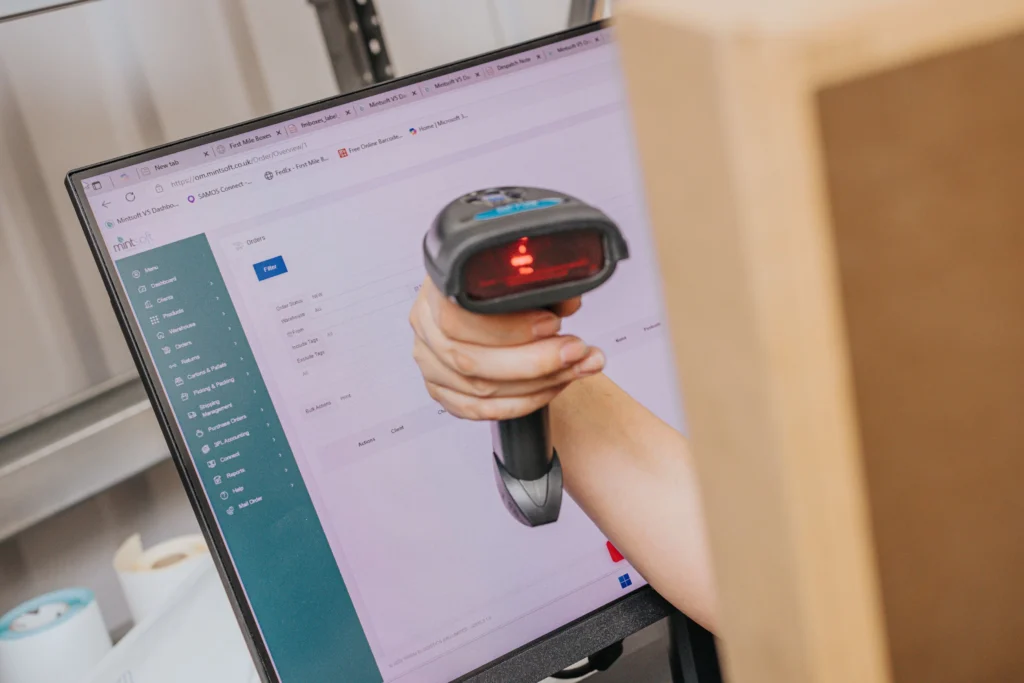
Blog by Ian Wright, Managing Director, Prism eLogistics

For time-poor start-ups fulfilment might feel like the last thing on the list. It might be the thing that you try and do yourself, when you get a spare moment. But the reality is that, in today’s eCommerce-driven market, fulfilment is not just an operational function, it’s a significant part of building brand reputation, a customer-base that trusts you, and long-term business growth as a result.
Beyond start-up phase, fulfilment can be a headache for operations of any size. It could be a manufacturer expanding online sales, or an established brand managing seasonal demand. Whatever the scale involved, selecting the right UK fulfilment and logistics partner can provide the expertise and flexibility needed to support growth.
But with so many fulfilment companies operating in the UK, how do you choose the right partner?
This guide outlines the key points businesses should consider when choosing a fulfilment and logistics provider.
1. Look Beyond Warehouse Space
One of the most common mistakes businesses make when choosing a fulfilment company is focusing solely on warehouse size. Yes, storage capacity is important, but the real value lies in the operational services on offer. You might need logistics going out to customers, or returns, looking after – or you might need packaging support. If you’re looking to make operations easier, it makes sense to choose a partner that can tick more than one box.
Look for fulfilment services that offer:
- Pick and pack
- eCommerce fulfilment
- Returns management
- Contract packing
- Packaging rework and sleeving
- Display assembly
2. Assess Their Ability to Scale With Your Business
Many businesses initially manage fulfilment internally because it offers control and keeps costs low. However, increasing order volumes can quickly create bottlenecks that impact customer experience and limit growth opportunities. For established companies, the risk of trying to handle seasonal or promotional peaks alone can be disruption of normal processes, taking you off track and letting customers down at the worst possible moment.
While outsourcing to a fulfilment partner will always help resolve these issues, choosing a provider with a proven track record of scaling businesses and navigating big sales peaks is going to deliver maximum benefit over the long term.
Your partner should be able to help with:
- Seasonal peaks
- Promotional campaigns
- Product launches
- Direct-to-consumer expansion
- Mixed SKU fulfilment
- Rapid volume fluctuations
3. Evaluate Their Returns Management Capabilities
Returns might not be your first thought when considering fulfilment and logistics. But reverse logistics can consume significant warehouse space, labour and administrative resource, particularly for high-volume businesses.
A fulfilment partner should be able to manage both outbound and return processes efficiently, with clear workflows that minimise disruption and protect stock integrity.
This can be especially important for businesses shipping:
- Fragile goods
- Time-sensitive products
- Subscription boxes
- Multi-item orders
- FMCG products
4. Consider Industry Experience and Expertise
Different sectors face different challenges, from traceability requirements and labelling regulations to retailer compliance standards and product handling considerations. Whether you need specialist handling for a fragile product or additional compliance support for regulated products such as alcohol, choosing a provider that knows your niche can make all the difference – especially if you’re a new business.
Your fulfilment partner should provide guidance on:
- Inventory management
- Packaging requirements
- Distribution strategies
- Compliance obligations
- Supply chain optimisation
5. Understand Their Technology and Visibility
Letting go of control is hard, especially when you’re nurturing a growing business. One thing that makes it easier is proper visibility and the reassurance that your fulfilment provider is absolutely on it when it comes to keeping track of your stock and orders.
Your provider should offer:
- Real-time stock visibility
- Order tracking
- Inventory reporting
- Performance insights
- Integration with eCommerce platforms
6. Choose a Partner, Not Just a Supplier
At the end of the day, when you choose a fulfilment partner, you’re putting your brand reputation in somebody else’s hands, so it’s important to choose a supplier you really trust. A fulfilment provider should function as an extension of your business, offering practical guidance, operational expertise and proactive support as your needs evolve.
A good fulfilment provider offers:
- Business objectives
- Growth plans
- Customer expectations
- Operational challenges
- Future expansion opportunities
Final Checklist: Questions to Ask a Fulfilment Partner
Before making a decision, ask:
- Can you scale to meet future demand?
- What experience do you have within our sector?
- How do you manage returns and reverse logistics?
- What technology and reporting tools are available?
- Can you support contract packing or value-added services?
- What service levels do you maintain during peak periods?
- How do you ensure order accuracy and customer satisfaction?
- Can you support both B2B and eCommerce fulfilment requirements?
Latest Posts
-
What Is Shrink Sleeving? A Guide for UK Brands
13 October 2026 -
How to Start a Drinks Business in the UK: From Initial Idea to Market Launch
8 October 2026 -
Recyclable Shrink Sleeving for UK Businesses
14 September 2026 -
Countdown to Christmas – It’s Time to Plan for the Festive Period
22 July 2026 -
Shrink Sleeves the Solution to Can Supply Crisis, says Prism
10 July 2026