
 login
login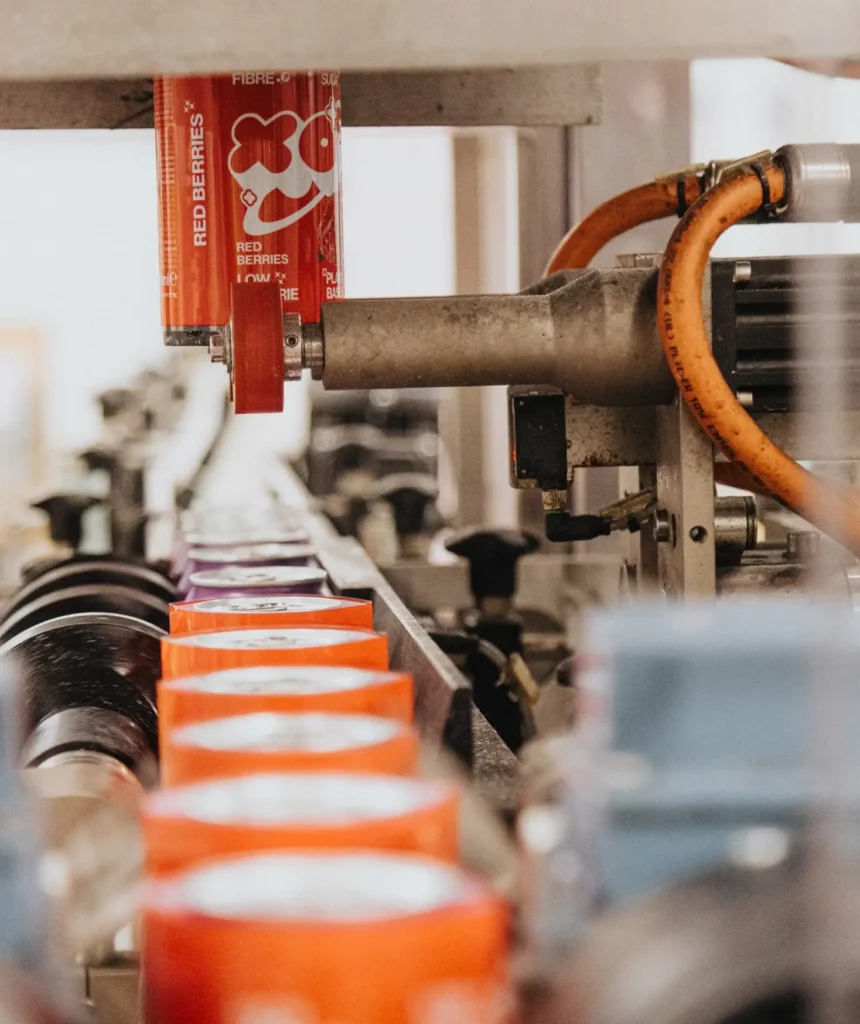
Shrink sleeving is a packaging and labelling process that fits a printed film sleeve closely around a bottle, can, jar or container using controlled heat.
It gives brands up to 360 degrees of space for artwork, product information and promotional messaging. It can also be used to add tamper-evident features, update existing packaging or transform a standard container into something ready to stand out on the shelf.
For UK brands looking for flexible and professional packaging, shrink sleeving is a seriously useful option. Here is everything you need to know.
How does shrink sleeving work?
A shrink sleeve begins as a printed tube of film. The sleeve is placed over the container before it passes through a controlled heat or steam tunnel.
The heat causes the film to shrink around the container and follow its shape. This creates a close and consistent fit across straight, curved or unusually shaped packaging.
The process usually involves five stages:
- The container and sleeve specification are checked
- The printed sleeve is positioned over the container
- The container passes through a controlled steam tunnel
- The film shrinks into position
- The finished product is checked and prepared for its next destination
Prism operates two fully automated steam shrink-sleeving lines. Depending on the packaging and project requirements, they can apply up to 15,000 sleeves per hour and process as many as 160,000 units per day.
You can learn more about Prism’s UK shrink-sleeving services.
What can be shrink sleeved?
Shrink sleeves can be applied to a wide variety of containers, including:
- Plastic bottles
- Glass bottles
- Aluminium cans
- Food and drinks jars
- Health and beauty packaging
- Automotive products
- Household products
- Curved or unusually shaped containers
Unlike many traditional labels, shrink sleeves can follow contours and changes in shape. This makes them a useful option when a container has limited flat space or a conventional label would struggle to fit neatly.
Whether your container is round, oval, square or just a bit unusual, there is a good chance that shrink sleeving can provide a solution.
What are the different types of shrink sleeve?
The right type of sleeve depends on the product, container and result your brand wants to achieve.
Full-body shrink sleeves
A full-body sleeve covers most or all of the container.
This provides the largest possible area for artwork and can create the appearance of a fully printed bottle, can or jar. It is ideal for bold branding, product launches and complete packaging transformations.
Partial shrink sleeves
A partial sleeve covers a selected area of the container rather than the whole pack.
This can provide additional branding or product information while leaving part of the original container visible.
Tamper-evident bands
A tamper-evident band is applied around a cap, lid or closure.
It provides customers with visible evidence if the product has been opened. Tamper-evident bands are commonly used for food, drinks, supplements, cosmetics and household products.
Blockout sleeves
Blockout sleeves are designed to conceal existing print, labels or decoration.
They can be useful when packaging needs to be corrected, updated or completely rebranded without replacing the original container.
Under-tuck sleeves
An under-tuck sleeve extends beneath the base of the container to create a more complete printed appearance.
Prism is the only UK contract sleever that can automatically raise a container and tuck the sleeve underneath. This helps prevent the sleeve from lifting and reduces the visible separation sometimes known as smiling, particularly on glass containers.
What is the difference between shrink sleeving and shrink wrapping?
Shrink sleeving and shrink wrapping sound similar, but they serve different purposes.
Shrink sleeving is mainly used for branding, labelling, product information or tamper evidence. The film fits around an individual container and becomes part of the retail packaging.
Shrink wrapping is more commonly used to hold products together or protect them during storage and transport. For example, several bottles might be shrink wrapped together as one multipack.
If your goal is to decorate an individual bottle, can or jar, you are probably looking for shrink sleeving.
Why do brands use shrink sleeves?
More space for branding
A standard label only covers part of a container. A shrink sleeve can use almost the entire surface.
This gives your designers more room for colour, illustrations, product benefits, instructions and storytelling. The artwork can flow around the container so the pack attracts attention from several angles.
A professional retail finish
A well-applied shrink sleeve creates a close and consistent appearance.
This can help a growing brand achieve the polished finish expected by retailers without needing to invest in permanently printed containers for every product variation.
Flexible product launches
Shrink sleeves are well suited to product launches, limited editions and seasonal campaigns.
Brands can use the same base container with different sleeves for each flavour, fragrance, formula or promotion. This can make it easier to test a product or adapt packaging for different markets.
Packaging corrections and rebrands
Mistakes and last-minute changes happen. Ingredients change, regulations move on and artwork becomes outdated.
A blockout or full-body sleeve may allow existing stock to be corrected or rebranded rather than discarded. Prism can also combine sleeving with its wider contract packing services to help get updated products shelf-ready.
Options for unusual containers
Shrink film can follow the contours of containers that are difficult to decorate with a conventional label.
This gives packaging designers greater freedom to choose distinctive shapes without creating a labelling headache later.
Tamper evidence
A shrink band can provide a visible indication that a closure has not been opened.
This can improve customer confidence and support product security without covering the entire container.
Which industries use shrink sleeving?
Shrink sleeving is used across a broad range of UK industries.
Drinks brands
Shrink sleeves are popular for canned drinks, functional beverages, soft drinks, juices and alcoholic products.
They can help brands create striking limited editions, prepare stock for different markets or launch several flavours using one can or bottle format.
Prism supports growing and established beverage brands with sleeving, co-packing and fulfilment services.
Personal care brands
Beauty, skincare and personal care products often use curved bottles or containers with limited labelling space.
A full-body sleeve can combine strong visual branding with room for ingredients, directions and regulatory information. Find out more about Prism’s support for personal care brands.
Automotive brands
Car-care products need packaging that is durable, practical and instantly recognisable.
Shrink sleeves can create a consistent appearance across products with different bottle shapes or formulas. Prism provides packaging and logistics support for the automotive sector.
Industrial and household brands
Cleaning products, maintenance liquids and household formulations often need detailed instructions or safety information.
Shrink sleeving gives brands more room to present this information clearly while maintaining a strong product identity. Explore Prism’s services for industrial and household products.
Can shrink sleeves be recycled?
Shrink sleeves can form part of a recyclable packaging solution, but the full pack must be considered.
Recyclability depends on factors such as:
- The container material
- The sleeve material
- The inks and finishes
- The amount of container coverage
- Whether the sleeve can be separated
- How the packaging is sorted and processed
Options can include floatable films, perforated sleeves and materials selected to work with the intended recycling process.
Prism supports floatable and recyclable shrink-sleeve solutions. You can read more in our guide to recyclable shrink sleeving for UK businesses.
Before making any environmental claim, the finished container and sleeve combination should be assessed as a complete packaging system.
What design options are available?
Shrink sleeves can do much more than carry standard printed artwork.
Depending on the project, customisation options can include:
- Matte and gloss finishes
- Tactile raised designs
- Metallic effects
- Transparent windows
- Thermochromic colour-changing features
- Glow-in-the-dark effects
- Perforations
- Internal QR codes
- Personalised artwork
Artwork must be designed for the shape of the finished container. Areas of the sleeve may shrink at different rates, so the design needs to account for curves, seams and distortion.
Working with experienced sleeve suppliers, designers and applicators early in the project can prevent expensive surprises once production starts.
What should you consider before starting a shrink-sleeving project?
Before requesting a quotation, it helps to gather the following information:
- The container material and dimensions
- The shape of the container
- Whether the product is already filled
- The number of units
- The required sleeve coverage
- Your preferred finish
- Any tamper-evident requirements
- Recycling or material objectives
- The production deadline
- Storage, packing or distribution requirements
If you are not sure what sleeve format you need, do not panic. A specialist can review the container, artwork and project requirements before production begins.
Why choose Prism for shrink sleeving?
Prism combines more than 20 years of automated shrink-sleeving experience with the capacity to handle launches, packaging corrections and high-volume national projects.
Our two automated steam lines can process glass, plastic and aluminium containers at speeds of up to 15,000 units per hour. We provide full-body sleeves, partial sleeves, tamper-evident bands, blockout applications and specialist finishes.
We are also used to the containers that make designers happy and other packers slightly nervous. Odd shapes are welcome.
Prism can support the wider journey too. Our services include contract packing, storage, distribution and eCommerce fulfilment from our Hampshire operation.
Whether you have finished artwork and a firm deadline or just a container and the start of an idea, our team will help you understand the available options without drowning you in packaging jargon.
Contact Prism about your shrink-sleeving project and just sleeve it to us.
Frequently asked questions
What is shrink sleeving?
Shrink sleeving is a labelling process in which a printed film sleeve is placed around a container and shrunk into position using controlled heat. It can provide up to 360 degrees of branding.
What products can be shrink sleeved?
Plastic bottles, glass bottles, aluminium cans, jars and many unusually shaped containers can be shrink sleeved.
Is shrink sleeving suitable for small brands?
Yes. Shrink sleeving can help growing brands create professional packaging, test new designs and produce limited editions without using permanently printed containers.
Can you shrink sleeve filled bottles and cans?
Filled containers can often be shrink sleeved, but their contents, temperature sensitivity and container specification must be considered before production.
Can shrink sleeves cover existing artwork?
Yes. A suitable blockout or full-body sleeve may conceal existing print or labels. This can help with rebrands, corrections and packaging updates.
Are shrink sleeves tamper-evident?
A shrink sleeve is not automatically tamper-evident. A dedicated band can be applied around a cap or closure to provide visible evidence of opening.
Can shrink sleeves be recycled?
Some shrink sleeves can support a recyclable packaging design. The sleeve film, container material, inks and recycling route must be considered together.
How quickly can Prism apply shrink sleeves?
Prism’s automated lines can apply up to 15,000 sleeves per hour and process as many as 160,000 units per day, depending on the packaging and project requirements.
Latest Posts
-
How to Start a Drinks Business in the UK: From Initial Idea to Market Launch
8 October 2026 -
How To Launch a UK Drinks Brand: Spooky’s Kiosk
21 September 2026 -
Recyclable Shrink Sleeving for UK Businesses
14 September 2026 -
How to Choose a Fulfilment and Logistics Partner: A Guide for UK Businesses
3 September 2026 -
Countdown to Christmas – It’s Time to Plan for the Festive Period
22 July 2026